

(SYNCHRONOUS ENGINEERING SOLUTIONS) Exploring the Intersection of Mechanical Design and Metal Fabrication: A Closer Look at Services Offered
- Raymond Ho

- Nov 5, 2024
- 4 min read
Updated: Nov 6, 2024
In today's rapidly changing industrial environment, the combination of mechanical design and metal fabrication has become essential for creating a wide range of products. From car parts to custom machinery, grasping how these areas work together can provide important advantages for businesses aiming to innovate. This article takes a closer look at the crucial services provided by mechanical design and metal fabrication, underscoring their importance in practical applications.
What is Mechanical Design?
Mechanical design involves creating systems and components that fulfill specific needs. This process includes several activities such as brainstorming ideas, detailed engineering, and building prototypes. The main objective of mechanical design is to ensure that products are functional, efficient, and cost-effective.
Designers use advanced computer-aided design (CAD) software to model their ideas. This detailed modeling identifies potential problems before manufacturing starts, saving both time and money. For instance, studies show that using CAD can reduce design time by up to 50% and eliminate costly errors by identifying issues early on.

Mechanical design marries creativity with technical skills. Designers collaborate closely with stakeholders to understand practical constraints, ensuring their designs meet user expectations and industry requirements.
Understanding Metal Fabrication
Metal fabrication is the process of creating metal structures from raw materials. Techniques such as cutting, welding, bending, and assembling metal parts are central to this field. Metal fabrication is crucial for producing everything from simple brackets to complex machinery.
A typical fabrication shop is equipped with various tools, including laser cutters and CNC machines. Fabricators must be knowledgeable about metallurgy because the right material choice directly influences the durability and performance of the finished product. For example, using stainless steel can increase a product's lifespan by over 25% in corrosive environments.

Strong collaboration between designers and fabricators is key. Accurate interpretation of mechanical designs ensures that fabricators can meet strict quality standards, resulting in innovative solutions that may not have emerged without teamwork.
Key Services Offered in Mechanical Design
Key services in mechanical design include:
Conceptual Design
In the conceptual design phase, ideas are generated and sketched to outline the product. Designers consider both functionality and aesthetics, keeping user preferences in mind. Companies like Apple excel at this phase, creating sleek, user-friendly designs that stand out in the market.
3D Modeling
3D modeling is crucial for visualizing products before production. CAD software helps create detailed models, allowing for adjustments before moving to fabrication. The use of 3D printing for prototypes can reduce development time by 30% and costs significantly.
Prototyping
Prototyping provides a physical version of the design, enabling evaluation of functionality and user experience. For example, automotive companies often use rapid prototyping to test new parts, leading to improvements in safety and performance.
Engineering Analysis
Before production starts, engineers conduct an in-depth analysis to determine how components will perform under various conditions. This stage often includes stress testing and thermal simulations, ensuring the product can withstand real-world use.
Key Services Offered in Metal Fabrication
The metal fabrication industry offers several important services:
Cutting
Cutting is the initial step, where metal sheets or bars are cut to size. Laser cutting and plasma cutting are prevalent techniques known for their precision. For instance, laser cutting can achieve tolerances of up to ±0.01 mm.
Welding
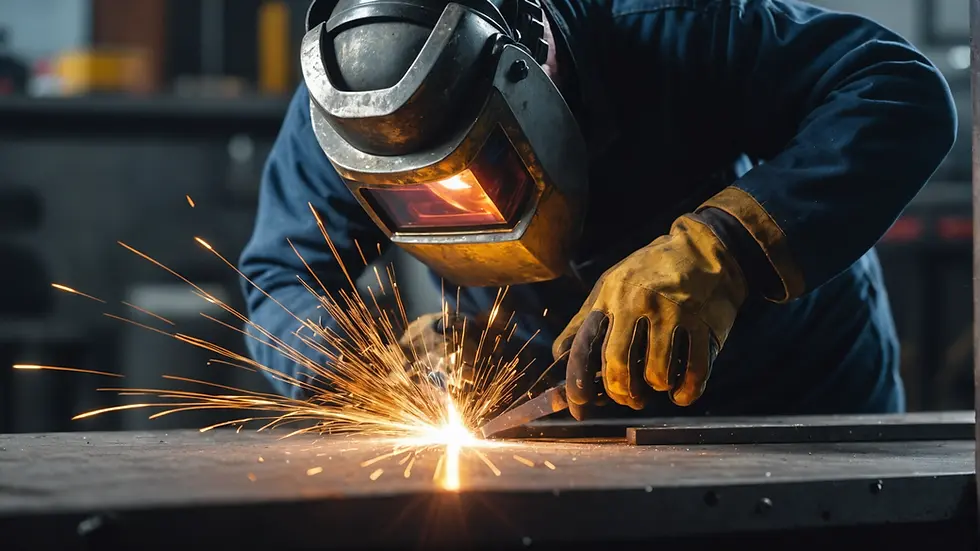
Welding is essential for joining metal pieces. Various welding methods, such as MIG and TIG, serve different materials and applications. For example, TIG welding is preferred for its clean finish, often used in applications requiring high strength and aesthetics.
Machining
Machining involves removing material to achieve specific shapes and dimensions through methods like milling and turning. Precision machining can enhance product performance and reduce costs by ensuring parts fit together perfectly.
Assembly
After fabricating parts, assembly is the last step to produce the final product. This requires both manual labor and machinery to ensure every component fits and works together as intended.
The Importance of Collaboration Between Mechanical Design and Metal Fabrication
The partnership between mechanical design and metal fabrication is vital for the success of manufacturing projects. Effective teamwork promotes innovation and streamlines production processes. A well-designed product that is easy to manufacture can lower costs and shorten time-to-market, offering companies a significant competitive advantage.
Moreover, clear communication between designers and fabricators allows teams to spot potential design flaws early in the process. Addressing these issues before production starts can help avoid costly errors and delays.
Final Thoughts on the Symphony of Design and Fabrication
The merger of mechanical design and metal fabrication holds immense potential for industries moving forward. As technology advances, the tools available for designing and fabricating also improve. This evolution leads to greater efficiency and creativity in production.
For individuals and businesses looking to leverage these services, it is important to collaborate with skilled professionals who grasp the intricacies of both fields. Whether it’s developing prototypes or producing full runs, understanding the interplay between mechanical design and metal fabrication can result in innovative solutions that foster success. As industries change, the need for effective collaboration in these areas will continue to grow, making it essential for future developments.

Comments